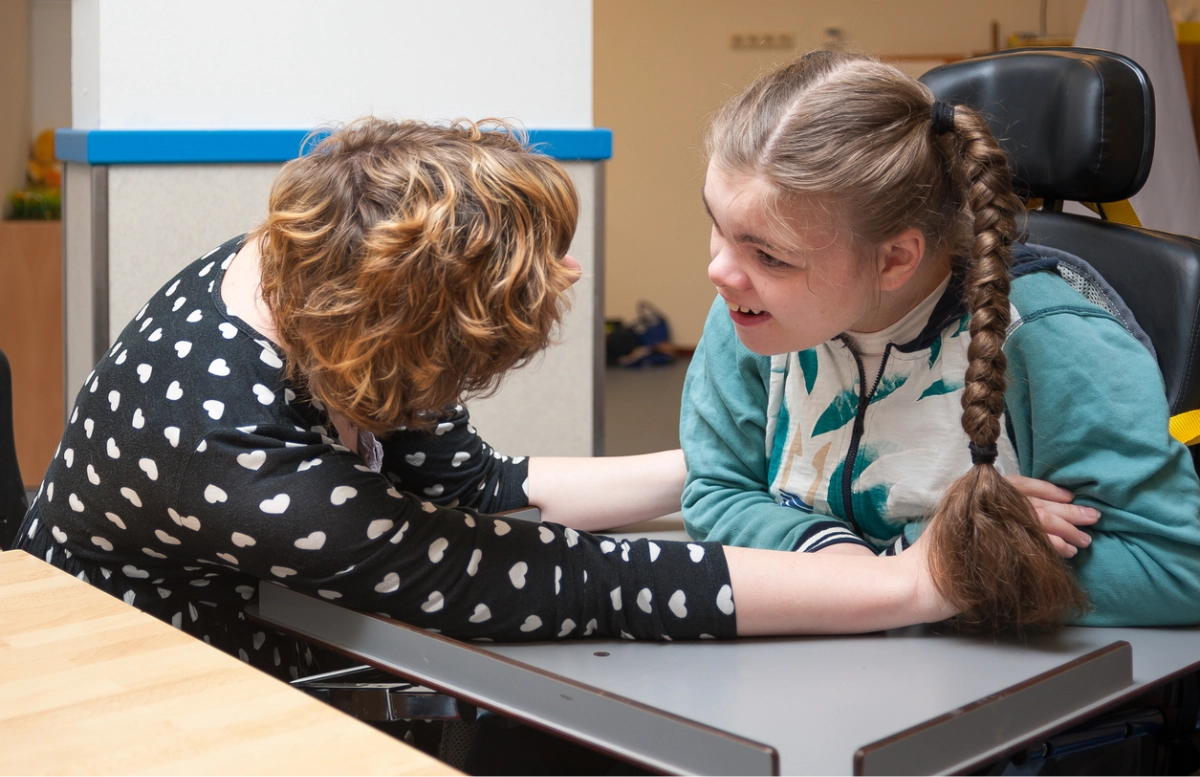
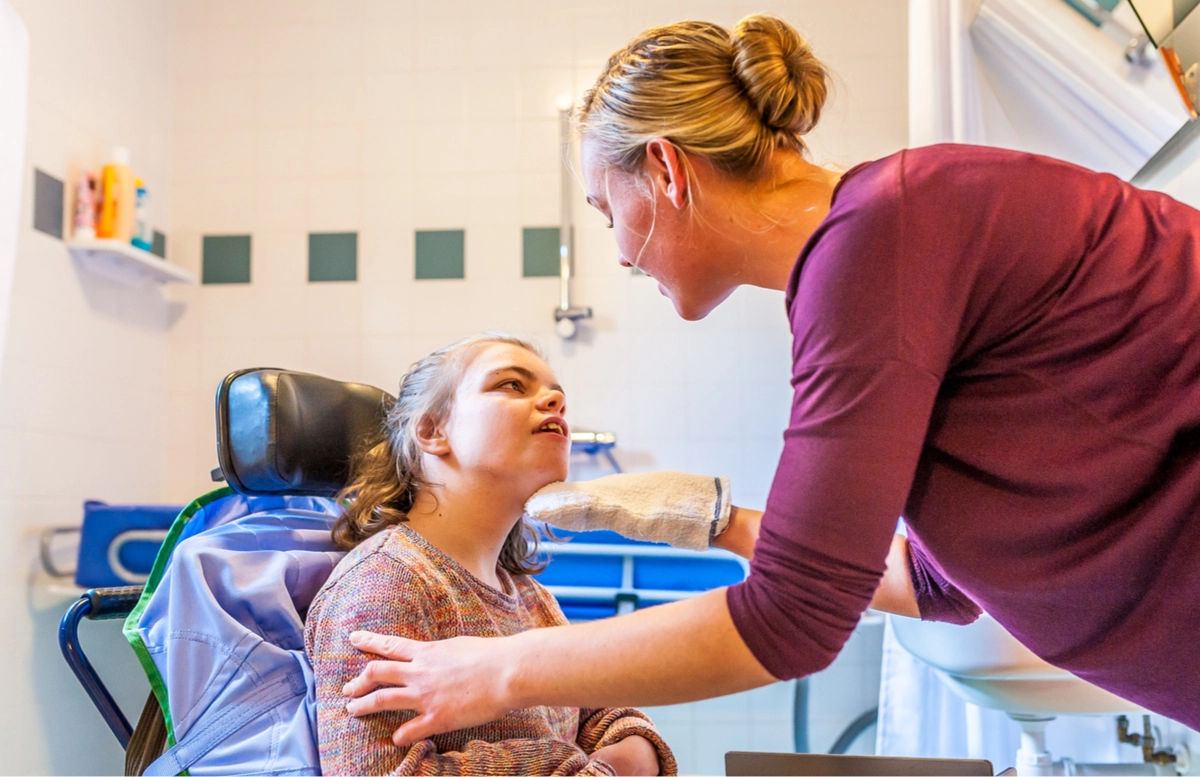
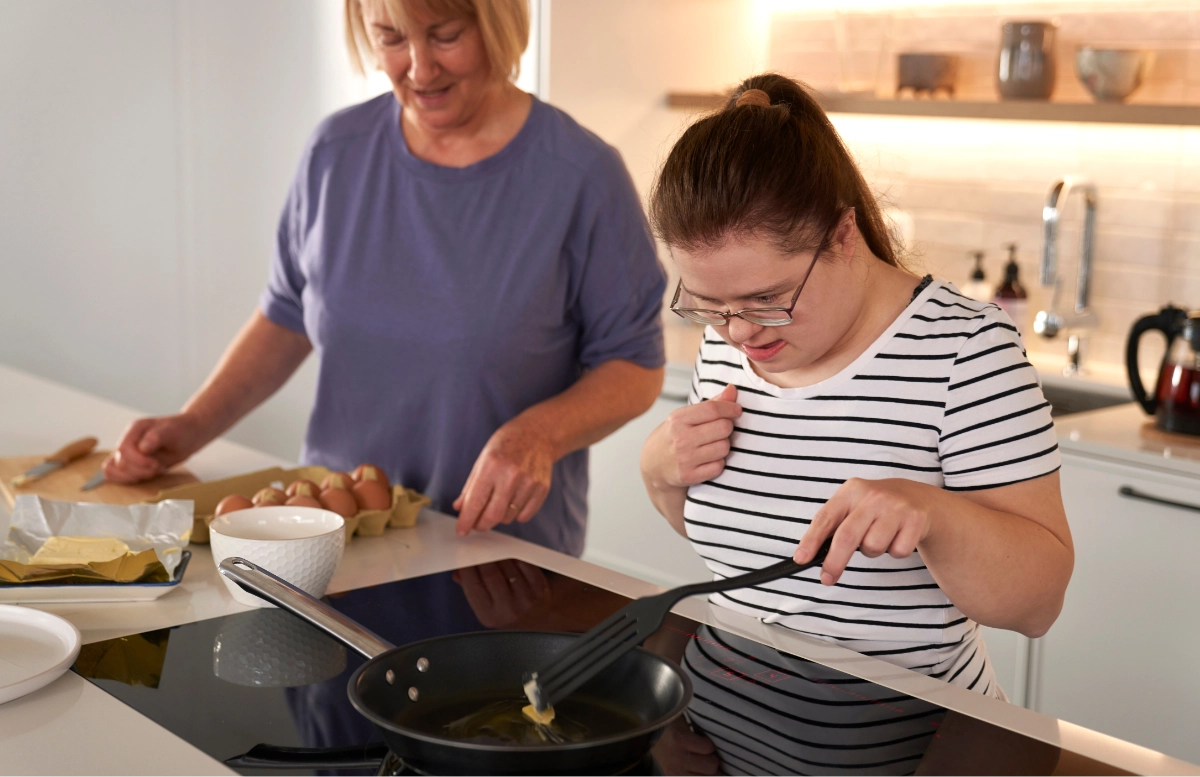
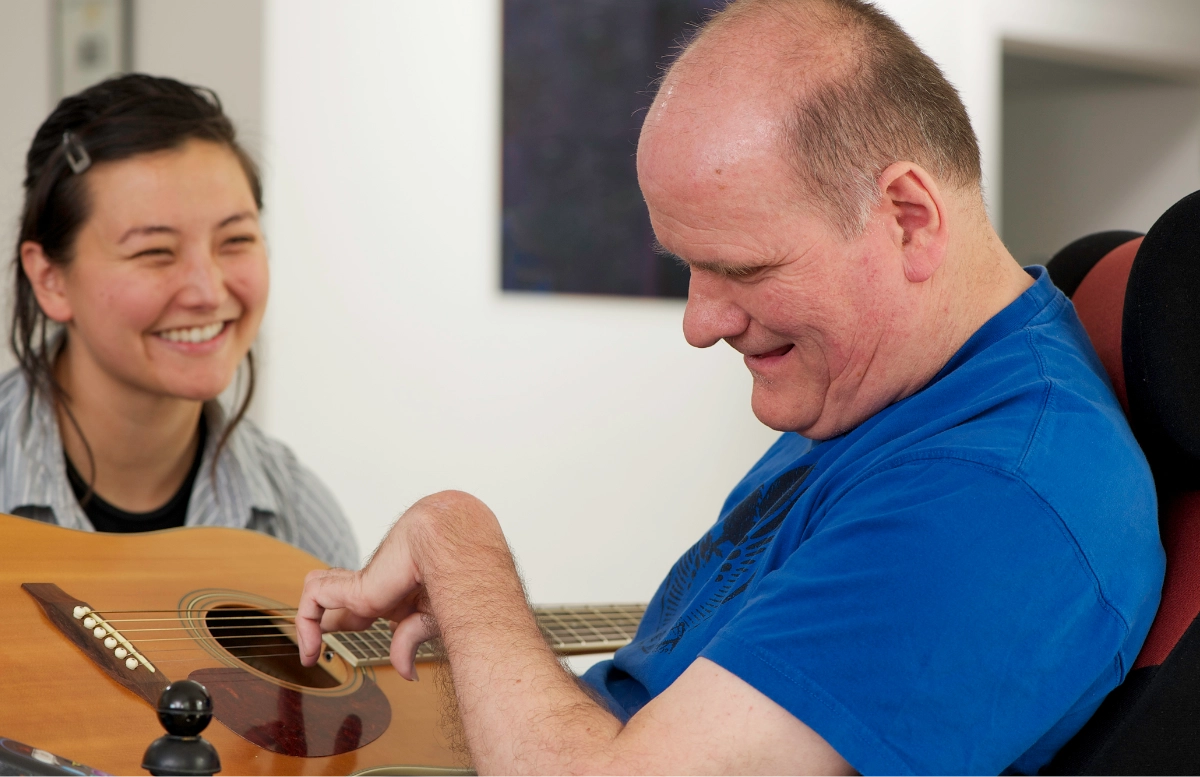
If you support someone who displays behaviours of concern, you have probably asked yourself the same question over and over: why is this happening? Behaviours of concern aren't defiance, they're communication. They signal sensory overload or unmet needs your loved one can't easily express.
Learn what restrictive practices are under the NDIS, when they are used, and how a positive behaviour support plan works to reduce and eliminate them over time.
Learn how a Behaviour Support Plan works under the NDIS. Plain-language guide covering assessments, proactive strategies, skill building, and restrictive practices.
Learn what complex behaviour support is, how it works under the NDIS, and whether it's right for your loved one. Backed by Positive Behaviour Support principles.
The National Disability Insurance Scheme (NDIS) provides comprehensive support for Australians living with psychosocial disabilities, focusing on building functional capacity, independence, and meaningful community participation. Your psychosocial disability stems from the effects of mental health conditions that impact your daily functioning, not just the mental health condition itself.
Family involvement sits at the heart of the National Disability Insurance Scheme (NDIS), recognising that families are the foundation of support for people with disabilities. The NDIS acknowledges that families provide crucial advocacy, emotional support, and practical assistance that extends far beyond what formal services can offer. This involvement helps participants navigate complex systems, achieve their goals, and maintain meaningful connections within their communities.
As an NDIS participant, you have important responsibilities that help ensure you get the most from your supports while maintaining the integrity of the scheme. Understanding these responsibilities empowers you to make informed decisions and build a strong foundation for your NDIS journey. Your obligations fall into four key areas that work together to create a system based on trust, transparency, and mutual accountability.
You spend months planning how to use your NDIS funds, but life happens. Maybe you couldn't find the right support worker. Perhaps health issues prevented you from attending therapy sessions. Or you simply weren't sure what services you could purchase. Now you're staring at unused funding and wondering what happens next. The reality is straightforward but important to understand. Unused NDIS funding does not roll over to your next plan.
Starting your NDIS journey can feel overwhelming. New participants often make predictable mistakes that delay their progress or waste precious funding. These errors are preventable with the right knowledge and preparation. You can save time, money, and stress by learning from others' experiences. This guide covers the most frequent mistakes people make and shows you how to avoid them.
The NDIS can feel like a maze when you're first starting out. Two key services often cause confusion: support coordination and plan management. While both support you to get the most from your NDIS plan, they serve completely different purposes. Understanding these differences helps you make informed decisions about which services you need.
Navigating NDIS documentation requirements as a guardian can feel overwhelming. You need to balance meeting NDIA requirements while ensuring the participant receives the support they need. The documentation you require depends on your specific role and responsibilities.
Building independence while using NDIS supports isn't about doing everything alone. It's about developing the skills and confidence you need to live the life you want on your terms. The NDIS exists to help you gain greater control over your daily life, build meaningful connections in your community, and work toward your personal goals. Understanding how to use your supports effectively can transform your NDIS experience from simply receiving services to actively building your capabilities.
Minister Mark Butler delivered a major announcement at the National Press Club on August 20, 2025, outlining significant reforms to the National Disability Insurance Scheme. The changes aim to restore the NDIS to its original purpose while ensuring long-term sustainability through the introduction of the Thriving Kids program.
Managing every dollar in your plan helps you secure the supports you need all year. This guide breaks down the steps, tools, and habits that keep your funds on track — whether you self-manage, use a plan manager, or rely on NDIA management.
You deserve a home that lets you move freely, look after yourself, and invite friends or family with confidence. The National Disability Insurance Scheme (NDIS) can help by funding modifications that match your disability support needs. This guide explains every funding option, what is covered, what is not, and the exact steps for securing support.
Setting meaningful NDIS goals can transform your loved one's journey toward greater independence and a fulfilling life. This guide will help you support them through the goal-setting process, ensuring their NDIS plan truly reflects their aspirations and needs.
Navigating your NDIS funding options doesn't have to feel overwhelming. Understanding the three main management types will help you make the right choice for your situation. Each funding type gives you different levels of responsibility and flexibility. You can even mix and match across different parts of your plan.
When you need time away from your usual living arrangements or your carer needs a break, Short-Term Accommodation (STA) and respite care provide temporary support solutions that prioritise your safety, independence, and wellbeing.
Making the move from your family home to supported independent living can feel overwhelming. You might have many questions about what lies ahead and how to prepare. This journey represents an exciting step toward greater autonomy and independence. With the right preparation and support, you can make this transition smooth and successful.
The National Disability Insurance Scheme (NDIS) has undergone one of its most significant structural changes since its creation, with responsibility for the scheme shifting to the Health and Aged Care portfolio under Minister Mark Butler. This move, announced on May 12, 2025, signals a new era for disability support in Australia. For participants and providers alike, understanding the implications of this administrative restructure is critical to navigating the evolving landscape of NDIS services.
Caring for someone with disability, mental illness, or chronic conditions can be rewarding but demanding. Research shows that carers are two and a half times more likely to have low wellbeing compared to other Australians. The 2023 Carer Wellbeing Survey found 58.3% of carers reported low wellbeing, a significant increase from previous years. Understanding how to balance your caring responsibilities with your own health is essential for sustainable caregiving.
Understanding the NDIS application timeline helps you plan and manage expectations during this important journey. The process involves several stages, each with specific timeframes that can affect your overall experience.
Self-advocacy represents your ability to speak up for yourself and communicate your needs effectively within the NDIS system. Research shows that only 38% of NDIS participants currently feel able to advocate for themselves. Building these skills empowers you to take control of your NDIS journey and achieve better outcomes.
From 19 May 2025, the National Disability Insurance Scheme (NDIS) begin rolling out new funding periods for all new and reassessed participant plans. This change means that instead of receiving your full plan budget upfront, your funding will be released in smaller, regular instalments, usually every three months. The aim is to make it easier for you to manage your budget, reduce the risk of running out of funds early, and help prevent overspending or financial exploitation.
Making connections with others who share similar life experiences can create a sense of belonging and community. For people with disability in the Illawarra and South Coast region, there are many pathways to build these valuable connections.
As a guardian, your role is critical in ensuring your family member’s NDIS plan aligns with their needs and goals. Here’s how to approach this complex system effectively when navigating the NDIS.
Finding healthcare providers who understand your specific disability can make a huge difference in your care quality. This guide helps you navigate Australian resources to find the right specialists, with a focus on services in the Illawarra region.
If you’re preparing for an NDIS planning meeting, you might be wondering what to expect and how to make the most of this important step. The planning meeting is a chance for you to discuss your goals, needs, and the supports that will help you live your best life. Here’s a detailed guide to help you navigate the process.
The National Disability Insurance Scheme (NDIS) provides funding for supports that help participants manage daily tasks impacted by their disability. Understanding how to request services, like Assistance with Daily Life, ensures you access the assistance needed to live independently. Below is a clear pathway to secure NDIS funding for daily living support.
If your adult child has a decision-making disability and struggles to manage aspects of their life, guardianship may be necessary to ensure their health, safety, and well-being. This guide explains the process for obtaining guardianship in New South Wales (NSW) and why it might be required.
The National Disability Insurance Scheme (NDIS) is an initiative that provides funding and support for Australians with permanent and significant disabilities. Central to the program is the NDIS plan, a personalised document outlining the participant’s goals, needs, and the supports required to achieve them. While this plan is designed to empower individuals, there may be instances where you feel it doesn’t meet your expectations or needs. If this happens, you have the right to appeal the decision.
We are pleased to announce that IDS is now an NDIS Registered Provider. This recognition marks a significant step forward in our ability to support individuals with disabilities across the Wollongong, Nowra and Southern Highlands regions.
Individualised Living Options (ILO) is a flexible NDIS funding package that provides participants with genuine choice about where they live and how they receive support. This support option helps people with disabilities create living arrangements tailored to their unique needs, preferences, and goals. ILO funding focuses on delivering the right supports rather than paying for the house itself.
The strategic use of assistive technology creates pathways for people with disability to engage more fully in Australian society. Current government initiatives, NDIS funding, and innovative approaches are expanding access to life-changing technologies while digital platforms open new avenues for community connection. This article examines how various technologies enhance participation across daily living, education, employment, and social domains, while highlighting the significant investments and policies supporting digital inclusion for Australians with disability.
The National Disability Insurance Scheme (NDIS) provides transport funding for participants who cannot use public transport due to their disability. This article explains what transport costs the NDIS covers, what remains your responsibility, and how the funding system works.
The National Disability Insurance Scheme (NDIS) provides critical support for Australians with disabilities, but there's often confusion about what expenses it covers and what remains a personal responsibility. This article explores the boundaries between personal expenses and NDIS-funded supports, providing clarity for participants and their families about everyday living costs.
Finding reliable and accessible transportation is crucial for individuals with disabilities to maintain independence and participate fully in their communities. In the Illawarra region of New South Wales, several services cater specifically to the needs of people with disabilities. Below, we explore some of the best options available, including public and private services.
Choosing the right living arrangement under the National Disability Insurance Scheme (NDIS) can be daunting. Supported Independent Living (SIL) and Individualised Living Options (ILO) are two distinct funding models designed to help participants live independently. While both aim to enhance independence, they differ significantly in their structure, flexibility, and support systems. Let’s break down these differences to help you decide which option suits your needs.
Empowering people with disabilities is not just about providing support; it’s about fostering independence, inclusion, and respect. With nearly one in five Australians living with a disability, small changes in how you interact and engage can make a significant impact. Here are five practical ways you can empower individuals with disabilities in your community.
An Australian Disability Parking Permit (ADPP), also known as a Mobility Parking Permit, is designed to assist individuals with disabilities that impact their mobility. These permits provide access to designated parking spaces and other allowances to make travel easier. Here’s a detailed guide to eligibility criteria, focusing on New South Wales (NSW) and other states, along with practical application tips.
A community engagement plan is a structured approach to involving people with disabilities, their families, and support networks in decision-making processes that affect their lives. Its purpose is to ensure inclusivity, amplify diverse voices, and promote active participation in shaping policies, programs, and services.
Short-term accommodation (STA) plays a significant role in supporting the development of social skills for individuals with disabilities. By providing a structured and inclusive environment, STA enables participants to engage in meaningful social interactions, build relationships, and enhance their communication abilities. Below are key ways STA fosters social skills development:
Arthur, the founder of Infinite Disability Services, brings a unique and invaluable skill set to the organisation as a certified Safety Interventions Instructor. His expertise in delivering internationally recognised training, particularly the Safety Intervention Foundation certification (formerly known as MAPA), we pride ourselves on being a leader in fostering safe and supportive environments for participants and staff alike.
Building on the insights from our previous article, assistance with daily living is crucial because it bridges the gap between challenges and opportunities. For people with disabilities, everyday tasks can sometimes feel insurmountable. With the right support, these tasks become stepping stones to a more independent and fulfilling life. For example, assistance with cleaning or gardening helps create a sense of accomplishment, while support with financial budgeting and medication management provides stability and security. These are not just chores—they are pathways to a better quality of life.
At Infinite Disability Services (IDS), we believe that everyone deserves to live a life filled with dignity, respect, and choice. One way we support individuals in achieving this is through Short Term Accommodation (STA) including respite. But what exactly is STA, and how does it benefit people with disabilities and their caregivers? Let’s explore.
When it comes to living a fulfilling life, transportation plays a crucial role—especially for people with disability. Specialised transport services empower individuals by helping them access essential services, engage in social activities, and explore new environments. At Infinite Disability Services (IDS), we believe that everyone deserves the freedom to live with dignity, respect, and choice. IDS offers specialised transport to ensure that participants can move through their day-to-day life smoothly and confidently.
At Infinite Disability Services (IDS), we believe that everyone deserves the opportunity to lead a meaningful life, filled with choices, dignity, and respect. One way we empower participants is through community participation—a service designed to help individuals with disabilities engage with the world around them, discover new interests, and build social connections. But what exactly does community participation involve? In this post, we’ll explore what community participation is and why it’s so important for people with disabilities.
At Infinite Disability Services (IDS), we believe everyone deserves the opportunity to live a life filled with dignity, respect, and independence. We know that navigating everyday tasks can present challenges. That’s where assistance with daily living plays a crucial role. As an NDIS service provider in the Illawarra region, we empower participants by providing essential care and support tailored to their unique needs.