

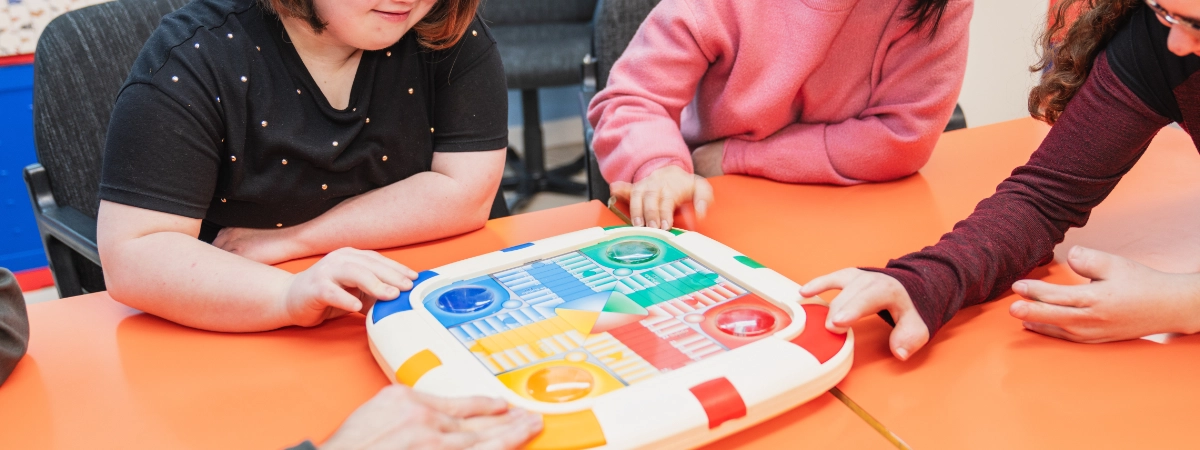
Short-Term Accommodation (STA) is NDIS funding for temporary accommodation away from your usual home. This support includes more than just a place to stay - it covers accommodation, personal care, meals, and agreed activities during your visit.
Respite care refers to temporary support when your usual carers are unavailable or need a break. The NDIS uses the term "Short term accommodation and assistance (including respite)" to describe these flexible support arrangements.
Short-term accommodation serves multiple purposes that can enhance your independence and quality of life:
Skill Development: You can practice daily living tasks like cooking, managing personal hygiene, and organising routines in a supportive environment. This hands-on experience builds confidence for independent living.
Social Connection: These services provide opportunities to meet new people, engage in group activities, and develop social skills. Many programs offer compatibility matching to ensure positive shared experiences.
Decision-Making Practice: You can make choices about your daily schedule, meals, and activities, building self-management skills essential for independence.
New Experiences: Short-term stays offer chances to try new hobbies, explore different environments, and participate in recreational activities you might not access at home.
Respite care recognises the importance of supporting your family and informal supports:
Carer Relief: Your usual carers can take breaks for holidays, work commitments, medical appointments, or simply to rest and recharge.
Preventing Breakdown: Regular respite helps prevent caring arrangements from breaking down by reducing carer stress and burnout.
Emergency Support: When unexpected situations arise, respite services provide temporary care while you or your carers address urgent needs.
The NDIS provides STA funding for up to 28 days per year. You can use this flexibly to suit your needs:
If you need more than 28 days annually, you require approval from the NDIA. Longer-term arrangements may need different funding like Medium Term Accommodation (MTA) or Supported Independent Living (SIL).
Short-term accommodation can take place in various settings across Australia:
Group Settings: Most STA occurs in shared accommodation with other participants and support workers. These settings offer social interaction opportunities while maintaining cost-effectiveness.
Individual Settings: When your disability requires intensive support, individual accommodation with dedicated carers may be approved. This requires evidence of necessity.
Purpose-Built Facilities: Many providers operate dedicated respite houses designed for accessibility and comfort.
STA services operate across Australia, including major cities and regional areas:
Services and Support Available
During your STA stay, comprehensive support covers your daily needs:
Daily Living Assistance: Support with showering, dressing, personal hygiene, and grooming.
Medication Management: Assistance with medication routines and health needs.
Mobility Support: Help with moving around and using assistive equipment.
Safe Housing: Comfortable, accessible accommodation suitable for your needs.
Meals: Nutritious meals throughout the day, including special dietary requirements.
24/7 Support: Trained staff available around the clock for assistance and safety.
Social Activities: Group activities, outings, and community participation opportunities.
Recreational Programs: Sports, arts and crafts, entertainment, and hobby development.
Life Skills Training: Cooking classes, budgeting assistance, and independence building activities.
Community Access: Support to visit local facilities, attend events, and explore your surroundings.
STA funding comes from your Core Supports budget under "Assistance with daily life tasks in a group or shared living arrangement". Core funding is flexible, meaning you can generally use funds allocated to one category for STA if you have sufficient budget.
What's Included
STA daily rates typically cover:
What's Not Covered
STA funding does not pay for:
If STA isn't specifically mentioned in your NDIS plan, you may still access it using your Core Supports budget, provided you have sufficient funding. You need to demonstrate that STA is reasonable and necessary for your disability support needs.
When requesting STA funding, provide evidence of:
You may be eligible if:
You may not be eligible if:
To ensure your short-term accommodation meets your goals:
Plan Ahead: Discuss your needs, preferences, and goals with potential providers before booking.
Choose Compatible Settings: Consider whether group or individual support better suits your personality and needs.
Communicate Goals: Share what you want to achieve during your stay, whether that's learning new skills, socialising, or simply relaxing.
Stay Connected: Maintain contact with your usual supports while enjoying your independence.
Short-term accommodation and respite care offer valuable opportunities to build independence, develop skills, and give your support network essential breaks. By understanding what's available and how to access these services, you can make informed decisions about incorporating STA into your NDIS journey toward greater autonomy and quality of life.